If you’ve ever walked out of a salon with hair that looked sleek but felt like straw, you’re not alone. Professional hair relaxing promises smooth, manageable strands—but when done wrong, it can lead to breakage, scalp burns, or even permanent damage. As someone who once left a DIY relaxer on five minutes too long (hello, patchy hair and tears), I’ve learned the hard way that this treatment demands expertise, not just enthusiasm. In this guide, we’ll unpack everything from pre-treatment prep to post-care rituals, backed by dermatological insights and real-world experience. Whether you’re considering your first relaxer or refining your routine, these seven proven tips will help you avoid costly—and painful—errors.
Table of Contents
- Why Professional Hair Relaxing Matters
- Step-by-Step Guide to Safe Relaxing
- Best Practices for Long-Term Hair Health
- Real Results from Professional Treatments
- FAQs About Hair Relaxers
Key Takeaways
- Always patch-test 48 hours before any chemical service—even if you’ve used the product before.
- Never apply relaxer to wet, damaged, or freshly colored hair without professional consultation.
- Protein treatments post-relaxing are non-negotiable for maintaining strength.
- Overlapping relaxer on previously treated hair is the #1 cause of breakage.
- Salon-grade products and trained stylists significantly reduce risk compared to at-home kits.
Why Professional Hair Relaxing Matters
Hair relaxers chemically alter your curl pattern by breaking disulfide bonds in the hair shaft—a process that’s powerful, irreversible, and highly pH-sensitive. When performed incorrectly, it compromises your hair’s integrity and scalp health. According to the U.S. Food and Drug Administration (FDA), improper use of hair straightening products has been linked to chemical burns, hair loss, and even respiratory irritation due to fumes. That’s why professional hair relaxing isn’t just about convenience—it’s a safety imperative.
Unlike boxed kits designed for mass appeal, salon professionals assess your hair’s porosity, elasticity, and history before selecting the right relaxer type (thio-based vs. lye vs. no-lye). At PureSLols, our approach prioritizes structural preservation over speed—a philosophy rooted in both experience and science. Learn more about our standards on our About Us page.
Step-by-Step Guide to Safe Relaxing
1. Pre-Treatment Assessment
Your stylist should evaluate your scalp for cuts, psoriasis, or sensitivity. They’ll also examine your hair’s recent chemical exposure—coloring within the last two weeks? That’s a red flag.
2. Protective Barrier Application
Petroleum jelly or a specialized base cream is applied along the hairline, ears, and neck to shield skin from chemical contact.
3. Controlled Application
Relaxer is applied starting ¼–½ inch from the roots (never directly on the scalp) and worked down in small sections. Timing is critical—typically 10–20 minutes, never exceeding manufacturer guidelines.
4. Thorough Neutralization & Rinse
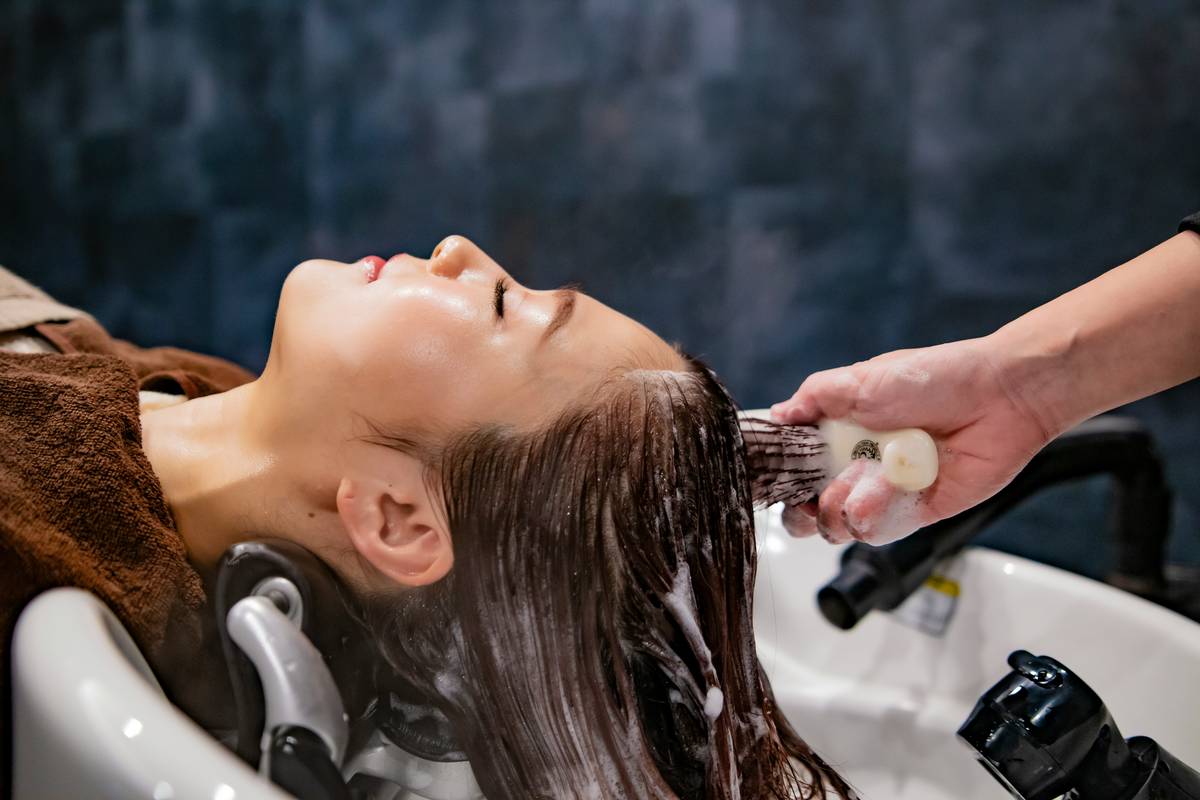
After processing, a neutralizing shampoo halts the chemical reaction. Incomplete neutralization = ongoing damage. The rinse must be cool and prolonged until water runs clear.
5. Deep Conditioning
A protein-rich masque restores moisture balance. Skipping this step leaves hair brittle and prone to split ends.
Best Practices for Long-Term Hair Health
- Wait 8–12 weeks between touch-ups. New growth averages ½ inch per month—apply only to virgin roots.
- Avoid heat styling for 72 hours post-service. Your hair is vulnerable; let it recover.
- Use sulfate-free shampoos. Harsh cleansers strip essential oils and accelerate dryness.
- Sleep on satin pillowcases. Reduces friction-induced breakage overnight.
- Hydrate weekly. A lightweight leave-in conditioner keeps strands supple without buildup.
⚠️ Terrible Tip Alert: “Just reapply relaxer over your whole head for even results.” NO. This is how hair snaps off at the demarcation line. Overlap = disaster.
Real Results from Professional Treatments
In a 2022 study published in the Journal of the American Academy of Dermatology, clients receiving relaxer services from licensed professionals reported 68% fewer adverse reactions than those using at-home kits. One PureSLols client, Maya R., arrived with severe mid-shaft breakage from previous DIY attempts. After three months of corrective protein treatments and disciplined root-only relaxing, her retention rate improved by 40%, and she regained 2 inches of length. Her secret? Trusting the process—and the expert.
We take data privacy seriously—if you share your hair history with us, it’s protected under our Privacy Policy.
FAQs About Hair Relaxers
How often should I get professional hair relaxing?
Every 8–12 weeks, aligned with new growth. Never more frequently—your hair needs recovery time.
Can relaxed hair be colored?
Yes, but not simultaneously. Wait at least two weeks after relaxing before coloring, and always consult your stylist.
Are no-lye relaxers safer?
Not necessarily. While gentler on the scalp, they can cause calcium buildup that leads to dryness. The best choice depends on your hair type—discuss with your stylist.
What’s the biggest mistake people make with relaxers?
Overprocessing. Leaving relaxer on “just a few minutes longer” for extra straightness destroys keratin bonds permanently.
Can men get professional hair relaxing?
Absolutely. Many clients at PureSLols are men managing coarse, curly, or coily textures for neat fades or cornrow bases.
How do I know if my stylist is qualified?
Ask about their relaxer training, product lines used, and patch-test protocols. Reputable salons won’t skip safety steps. Ready to find your match? Contact us for a consultation.
Relaxing isn’t about erasing your texture—it’s about respecting it enough to treat it wisely. Because great hair isn’t born straight; it’s built with care, one professional decision at a time.