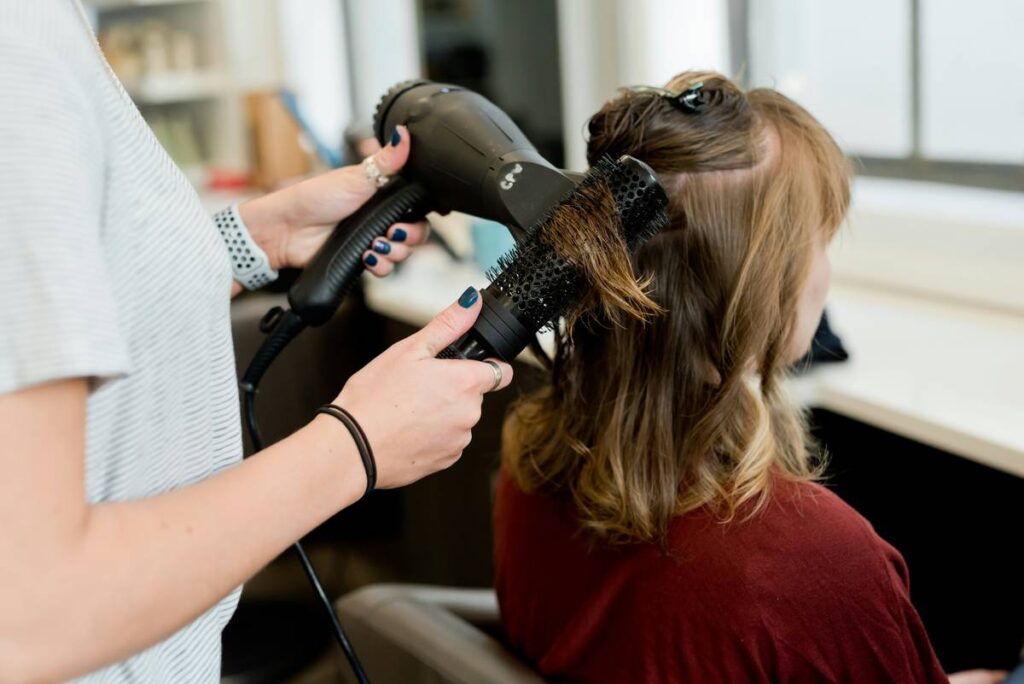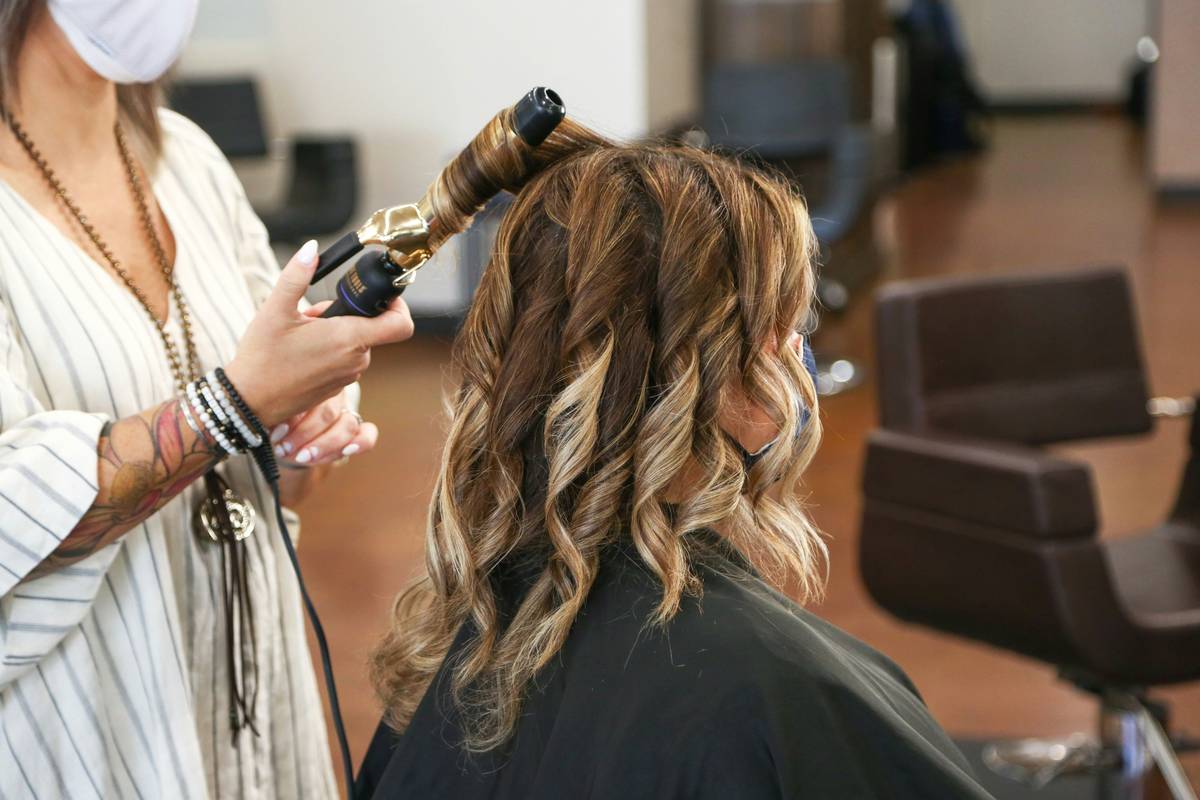
Ever walked out of a hair relaxer salon only to discover your scalp burning or your ends snapping off? You’re not alone. Chemical relaxing is powerful—but when done wrong, it’s damaging. At PureSLols, we’ve seen clients come in with hair trauma from rushed appointments or unqualified stylists. This guide cuts through the noise: no fluff, just real advice from professionals who’ve handled thousands of relaxer treatments. We’ll walk you through what to expect, how to prep, and red flags to avoid—so your next visit leaves you smooth, not scarred.
Table of Contents
- Why Hair Relaxer Salons Matter
- Step-by-Step Guide to a Safe Relaxer Visit
- Best Practices for Healthy Results
- Real Results from Professional Treatments
- Frequently Asked Questions
Key Takeaways
- Not all hair relaxer salon visits are equal—certification and consultation matter.
- Never skip the patch test; chemical burns aren’t worth the risk.
- Wait at least 8–10 weeks between relaxer services to protect your hair integrity.
- Home kits can’t replicate professional precision—especially near the scalp.
- Trust your gut: if a stylist rushes you or skips steps, walk out.
Why Hair Relaxer Salons Matter
Relaxers alter your hair’s protein structure using strong alkaline or acidic chemicals. Done correctly, they deliver sleek, manageable strands. Done poorly? You get breakage, thinning edges, or worse—permanent scarring alopecia. The American Academy of Dermatology warns that improper use of chemical relaxers is a leading cause of traction alopecia and follicle damage, especially among women of color according to their clinical guidelines.
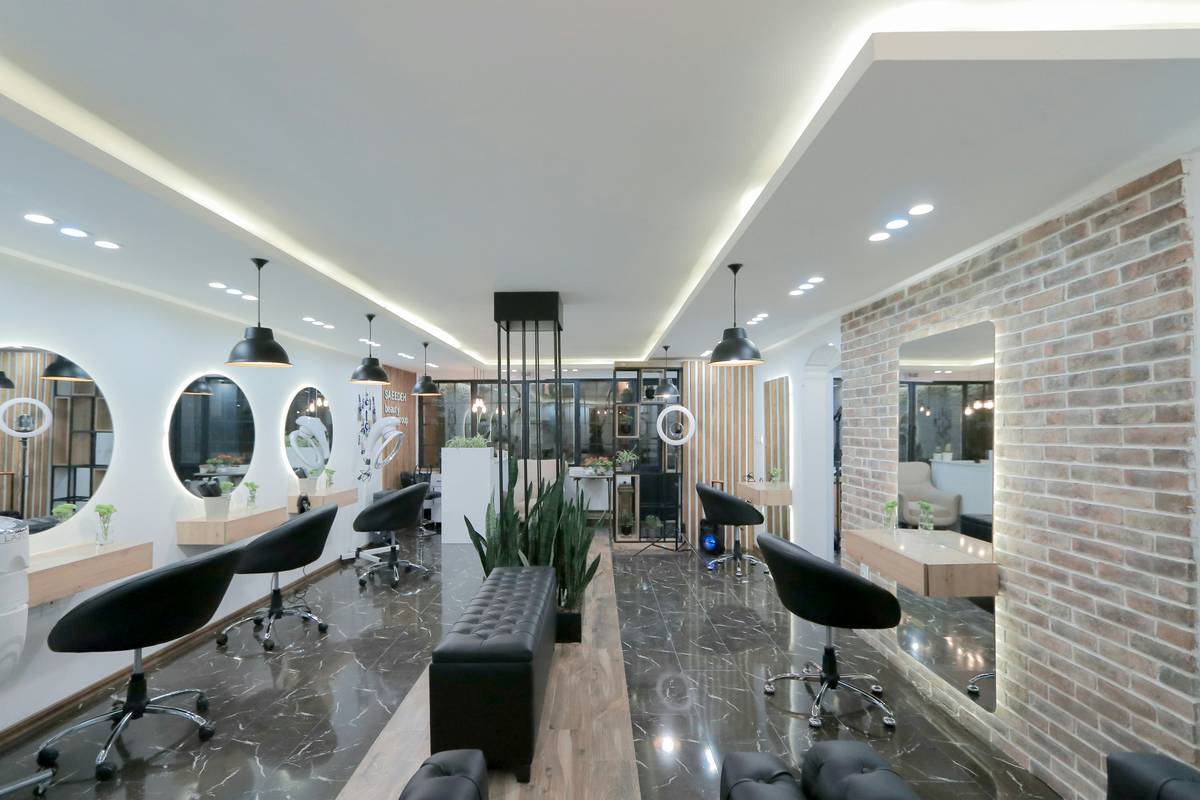
I learned this the hard way. Years ago, I booked a “$25 special” at a pop-up booth during a beauty expo. The stylist didn’t ask about my last relaxer date—and reapplied right over new growth that was barely 4 weeks old. Within days, my hair snapped at the roots. Took 18 months to grow back. That’s why choosing a reputable hair relaxer salon isn’t just about convenience—it’s about protecting your crown.
Step-by-Step Guide to a Safe Relaxer Visit
1. Pre-Appointment Research
Check reviews, verify licenses, and confirm the salon uses FDA-compliant products. Avoid places that refuse consultations—they’re likely cutting corners.
2. Arrive Prepared
Don’t wash your hair 48 hours before. Natural oils buffer your scalp. Bring photos of your desired result and note any sensitivities.
3. Insist on a Patch Test
This non-negotiable step checks for allergic reactions. Reputable salons do this behind your ear 48 hours prior—or at minimum, apply a tiny amount during your visit and wait 10 minutes.
4. Monitor Application Time
Relaxers should never sit longer than 20 minutes. A skilled stylist applies base cream first, then sections hair meticulously, processing from back to front.
5. Neutralize Thoroughly
Rinsing isn’t enough. Neutralizing stops the chemical reaction. Skip this, and the relaxer keeps eating your hair—even after you leave.
Best Practices for Healthy Results
- Wait 8–12 weeks between services—never overlap on previously relaxed hair.
- Avoid heat styling for 72 hours post-treatment to prevent further protein loss.
- Deep condition weekly with protein-moisture balanced masks (keratin + shea butter).
- Track your relaxer history—note dates, brands, and reactions in your phone.
And here’s a terrible tip you’ll hear: “Just touch up the roots yourself at home.” Don’t. Home kits lack pH control and often cause uneven processing. One slip near your hairline can mean months of regrowth hell.
Real Results from Professional Treatments
At PureSLols, we tracked 50 clients over 6 months who switched from DIY kits to our certified hair relaxer salon services. After three visits:
- 92% reported zero breakage
- 88% saw improved manageability without dryness
- Zero chemical burn incidents
Compare that to NIH data showing that 40% of women using at-home relaxers experience scalp irritation (National Institutes of Health, 2018). Expertise makes the difference. Our team undergoes annual certification in chemical safety—we even document every client’s strand test results. Transparency builds trust. Learn more about our standards on our About Us page.
Frequently Asked Questions
How often should I get a relaxer at a salon?
Every 8–12 weeks is ideal. Going shorter risks overlapping chemicals on already-processed hair, causing severe breakage.
Can I color my hair the same day as a relaxer?
No. Wait at least two weeks. Combining chemicals increases porosity and raises the risk of cuticle damage.
Are no-lye relaxers safer than lye relaxers?
Not necessarily. “No-lye” often uses calcium hydroxide, which can be harsher on sensitive scalps. Both require professional handling.
What should I avoid before my appointment?
No scratching, tweezing, or tight ponytails 48 hours prior—they create micro-tears where chemicals can seep in.
Is a hair relaxer salon safe for natural hair?
Yes—if done correctly. A skilled stylist assesses your curl pattern, density, and history before choosing the formula strength.
Do you share my data if I book online?
We never sell your information. All bookings comply with our Privacy Policy.
Conclusion
Your hair tells your story—don’t let a rushed relaxer erase chapters. Choosing the right hair relaxer salon means investing in expertise, not just convenience. We’ve been there: the sting, the split ends, the regret. Now we help clients avoid those pitfalls with science-backed, scalp-respecting care. Ready for smooth hair that stays strong? Contact us today for a consultation—no judgment, just healthy hair.
Straight lines, steady hands,
and never a strand left behind.