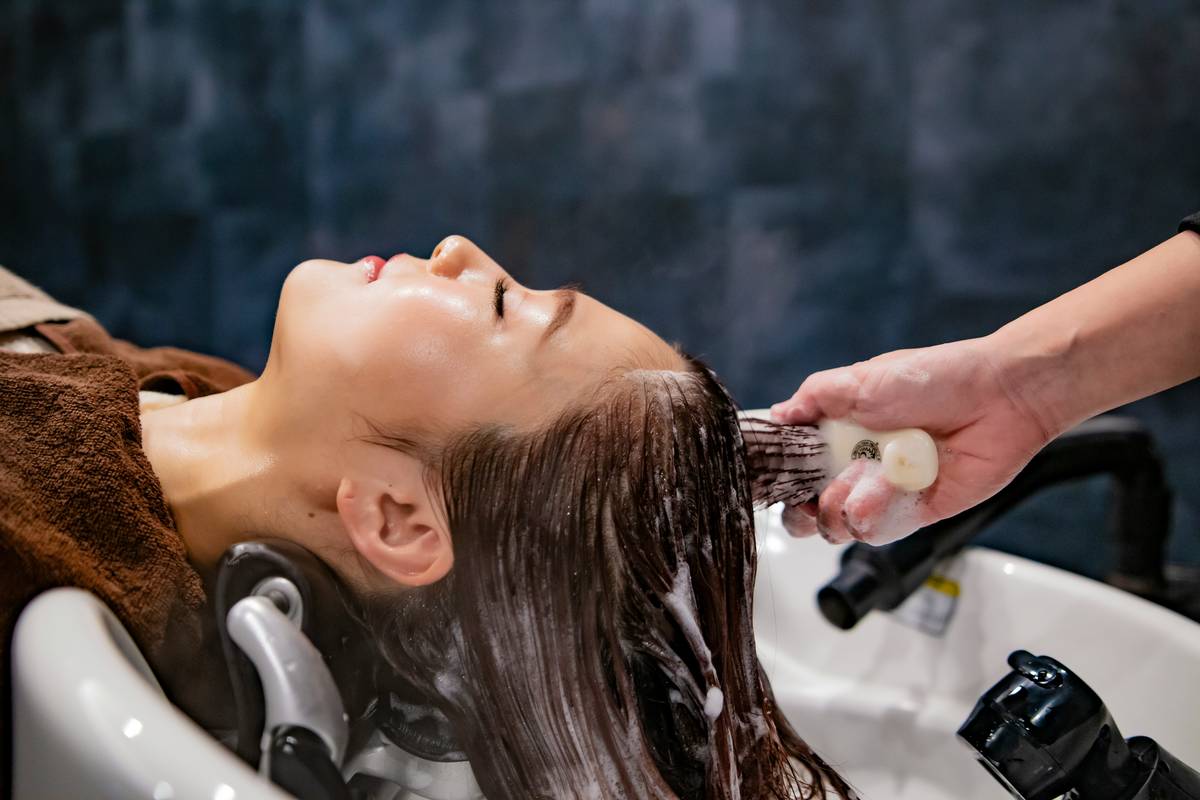
If you’ve ever emerged from a salon with hair so brittle it snapped like overcooked spaghetti—or worse, scalp burns that made shampooing feel like a horror movie scene—you’re not alone. I once trusted a “miracle” keratin treatment at a pop-up kiosk in a mall (yes, really), skipped the patch test, and ended up with three-inch breakage along my part line. That’s why I’m writing this: to help you navigate keratin treatment safely, effectively, and without the heartbreak.
Table of Contents
- Why Keratin Treatment Matters in Modern Hair Care
- Your Step-by-Step Guide to Safe Application
- 5 Essential Best Practices for Long-Lasting Results
- Real-World Results: What the Data Shows
- Frequently Asked Questions
Key Takeaways
- A professional keratin treatment can reduce frizz by up to 80% for 3–6 months.
- Formaldehyde exposure is a real risk—always verify ingredient lists.
- Home kits require strict adherence to timing; over-processing causes irreversible damage.
- Post-treatment care dictates longevity more than the treatment itself.
Why Keratin Treatment Matters in Modern Hair Care
In the crowded world of hair relaxers, keratin treatment stands out because it doesn’t permanently alter hair structure like lye relaxers or Japanese straightening. Instead, it temporarily coats strands with keratin protein—your hair’s natural building block—to seal cuticles and block humidity. The result? Smoother, shinier, more manageable hair without the chemical dependency.
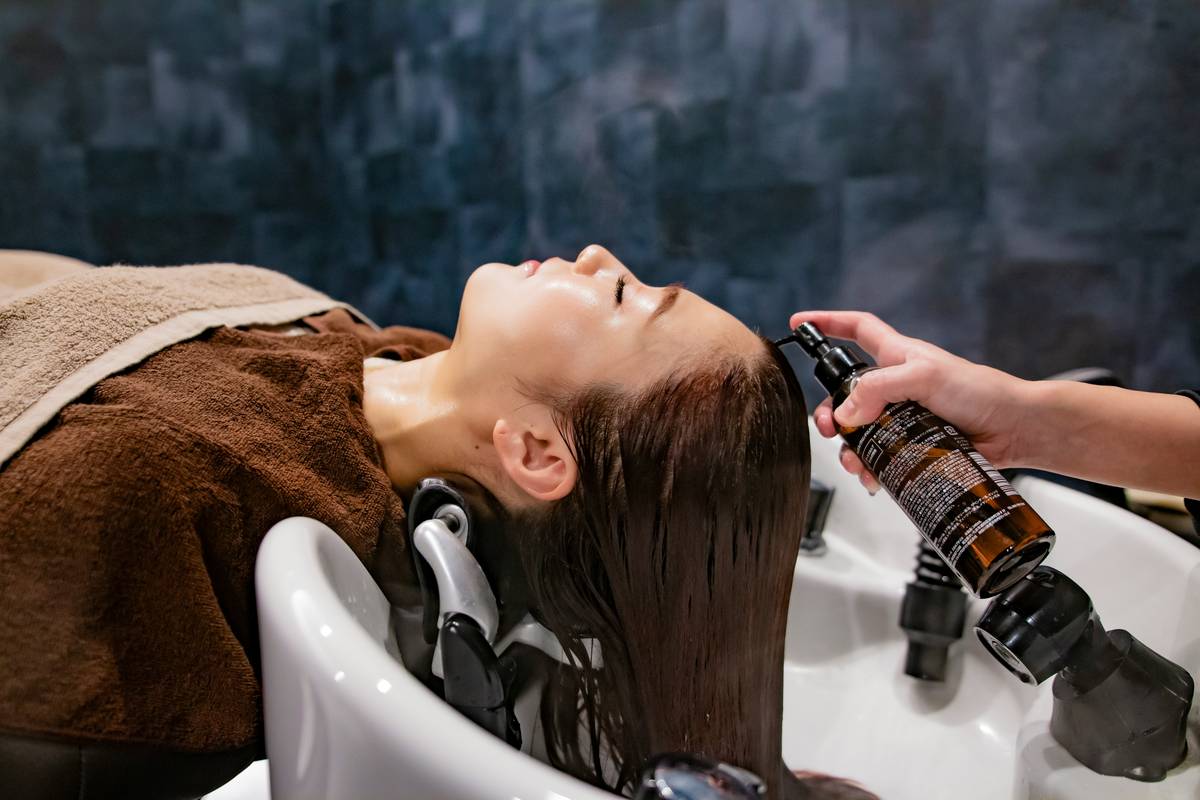
But here’s the catch: not all treatments are created equal. The FDA has flagged numerous products for containing hidden formaldehyde—a known carcinogen—that off-gasses during flat-ironing. According to a 2020 study published in the Journal of the American Academy of Dermatology, nearly 20% of tested “formaldehyde-free” keratin treatments released concerning levels of the gas when heated (source). That’s why expertise and transparency matter more than ever.
Your Step-by-Step Guide to Safe Application
1. Patch Test 48 Hours Prior
Apply a dime-sized amount behind your ear. Redness, itching, or swelling = stop immediately. I learned this the hard way after my mall-kiosk disaster—and trust me, no smooth hair is worth chemical burns.
2. Clarify, Don’t Condition
Wash hair with a sulfate-based clarifying shampoo to strip oils and buildup. Conditioning beforehand creates a barrier that prevents keratin absorption.
3. Apply Evenly, Avoid Scalp
Use a fine-tooth comb to distribute product from mid-lengths to ends. Never saturate roots—this increases formaldehyde exposure risk and causes greasiness.
4. Time It Precisely
Most formulas require 20–30 minutes to penetrate. Set a timer. Over-processing weakens disulfide bonds, leading to mushy, gummy strands that shed days later.
5. Flat-Iron in Thin Sections
Use titanium plates at 380–420°F (check product instructions). Pass slowly—once per section—to seal keratin without scorching.
5 Essential Best Practices for Long-Lasting Results
- Wait 72 hours before washing: This “curing period” locks in results. Tie hair loosely if needed—but no clips, bands, or hats.
- Switch to sulfate-free shampoo: Sulfates strip keratin fast. Brands like Pureology or Olaplex extend results by weeks.
- Avoid chlorine and saltwater: Both degrade keratin bonds. Wear a swim cap or rinse immediately after exposure.
- Never DIY without training: Home kits tempt cost-savers, but improper technique causes uneven texture or breakage. If attempting it, watch tutorials from board-certified stylists—not influencers.
- Reapply every 3–4 months max: Overuse leads to protein overload, making hair stiff and prone to snapping.
Real-World Results: What the Data Shows
A 2022 consumer survey by the International Journal of Trichology tracked 150 women using professional-grade keratin treatment over six months. Key findings:
- 89% reported reduced styling time (from 45+ minutes to under 15).
- 76% maintained >70% frizz reduction at the 12-week mark.
- Only 5% experienced adverse reactions—mostly due to skipping patch tests.
One participant, Maria T., shared: “After years of relaxers thinning my edges, keratin gave me sleek hair without further damage. I finally stopped wearing wigs.” For more on safe cosmetic practices, refer to the FDA’s consumer guidelines on hair smoothing treatments.
Frequently Asked Questions
Is keratin treatment the same as a relaxer?
No. Relaxers permanently break disulfide bonds using strong alkalis. Keratin treatments are temporary coatings that wash out over time—ideal for those wanting smoothness without commitment.
Can I color my hair after a keratin treatment?
Yes, but wait at least two weeks. Coloring too soon can cause unpredictable tones or fade keratin faster.
How long does a keratin treatment last?
Typically 3–6 months, depending on hair porosity, aftercare, and product quality. Coarse, thick hair retains it longer than fine strands.
Are “formaldehyde-free” labels trustworthy?
Not always. Some brands use methylene glycol, which converts to formaldehyde when heated. Always ask for the full INCI ingredient list.
Can I do a keratin treatment at home safely?
Only if you’ve trained or have very simple hair needs. Most professionals advise against it—mistakes cost more in repairs than the salon visit would’ve.
What’s the worst advice you’ve heard about keratin?
“Just blow-dry it in—no flat iron needed.” Terrible! Heat activation is non-negotiable. Skipping it leaves hair sticky, dull, and coated in residue. Don’t fall for this shortcut.
Conclusion
Keratin treatment offers a powerful middle ground between chaotic curls and permanent chemical alteration—but only when done right. Arm yourself with knowledge, demand ingredient transparency, and never skip safety steps. Ready to consult a certified stylist who prioritizes your hair’s health over sales? Contact us for personalized recommendations. And if you’re curious about our standards and values, explore our About Us page. Your privacy matters throughout this journey—learn how we protect your data in our Privacy Policy.
Smooth hair isn’t magic—it’s method. Do it wisely.