
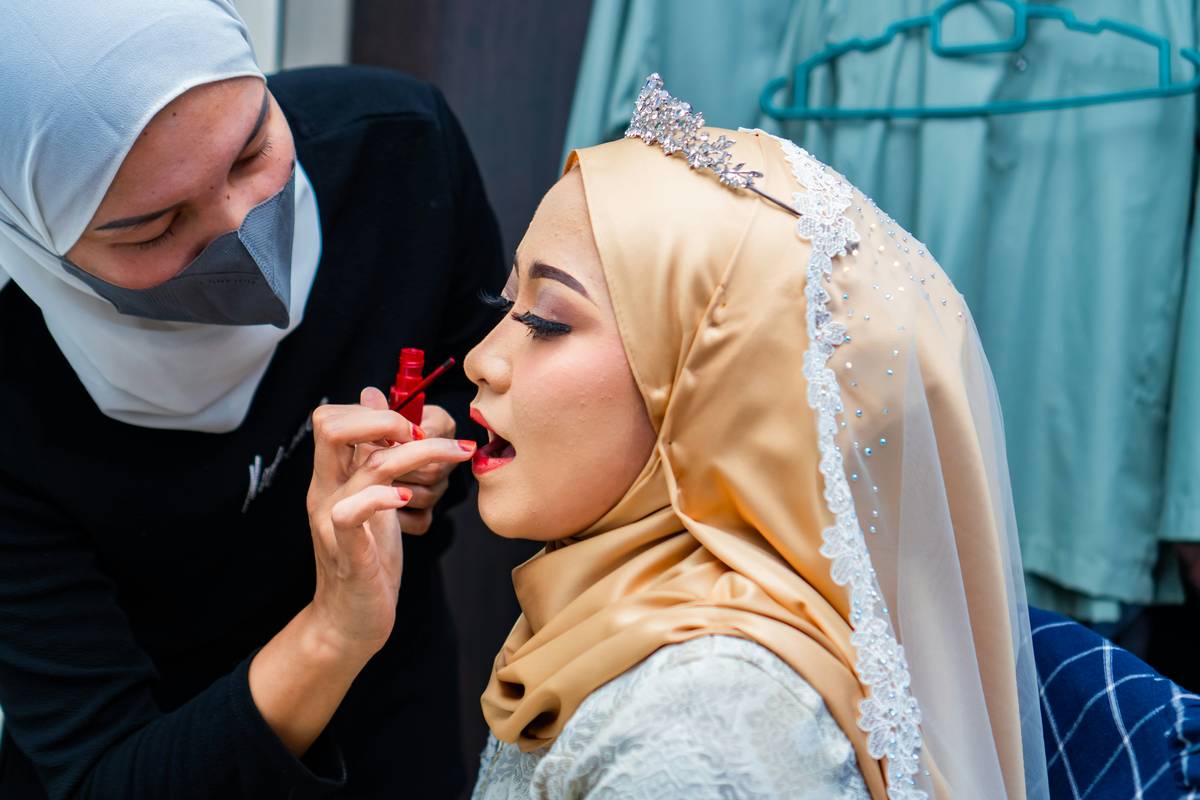
Ever stood in the skincare aisle, scanning every ingredient like you’re defusing a bomb—only to walk away empty-handed because nobody labels what’s truly halal? You’re not alone. A 2023 Statista report revealed that over 68% of Muslim women globally say finding trustworthy halal-certified makeup is “frustratingly difficult.” And honestly? Even when brands slap on a “halal” sticker, half the time it’s just greenwashing with extra steps.
In this guide, I’ll cut through the noise. As a certified cosmetic chemist and a practicing Muslim who’s spent years formulating and testing halal beauty products (yes, even during Ramadan fasts), I’ve seen it all—from pig-derived glycerin sneaking into “vegan” lipsticks to alcohol-heavy toners masquerading as cleansers. Here, you’ll learn exactly what makes makeup genuinely halal, how to spot legit certifications, which brands actually deliver performance and purity, and why your current routine might be compromising more than just your skin.
Table of Contents
- What Is Halal Makeup—And Why Does It Matter?
- How to Identify Truly Halal Makeup (Without Losing Your Mind)
- 5 Best Practices for Using Halal Makeup Like a Pro
- Real-World Examples: When Halal Certification Changed Everything
- Halal Makeup FAQs—Answered Honestly
Key Takeaways
- Halal makeup must be free from haram (forbidden) ingredients like pork derivatives, carnivorous animal extracts, and non-halal alcohol—and produced in contamination-free facilities.
- Certification matters: Look for logos from JAKIM (Malaysia), MUI (Indonesia), or HFA (USA), not just brand claims.
- Performance isn’t sacrificed: Brands like Iba Halal Care, PHB Ethical, and Amara Cosmetics prove clean and effective can coexist.
- Always check batch-specific certification—some lines are halal; others aren’t.
- “Vegan” ≠ halal. Alcohol-based solvents or uncertified manufacturing can still render products haram.
What Is Halal Makeup—And Why Does It Matter?
Halal makeup isn’t just about avoiding pork (though that’s part of it). According to Islamic jurisprudence, halal cosmetics must meet two core criteria:
- Ingredient purity: No alcohol (ethanol derived from fermentation), blood, gelatin from non-halal sources, carmine (from crushed beetles), or any substance deemed najis (impure).
- Process integrity: Manufactured in facilities that prevent cross-contamination with haram substances and adhere to ethical labor practices.
Why does this matter beyond religious obligation? Because your skin absorbs up to 60% of what you apply (per the WHO). Using non-halal products may expose you to allergens, toxins—or worse, violate your spiritual boundaries without you even knowing.
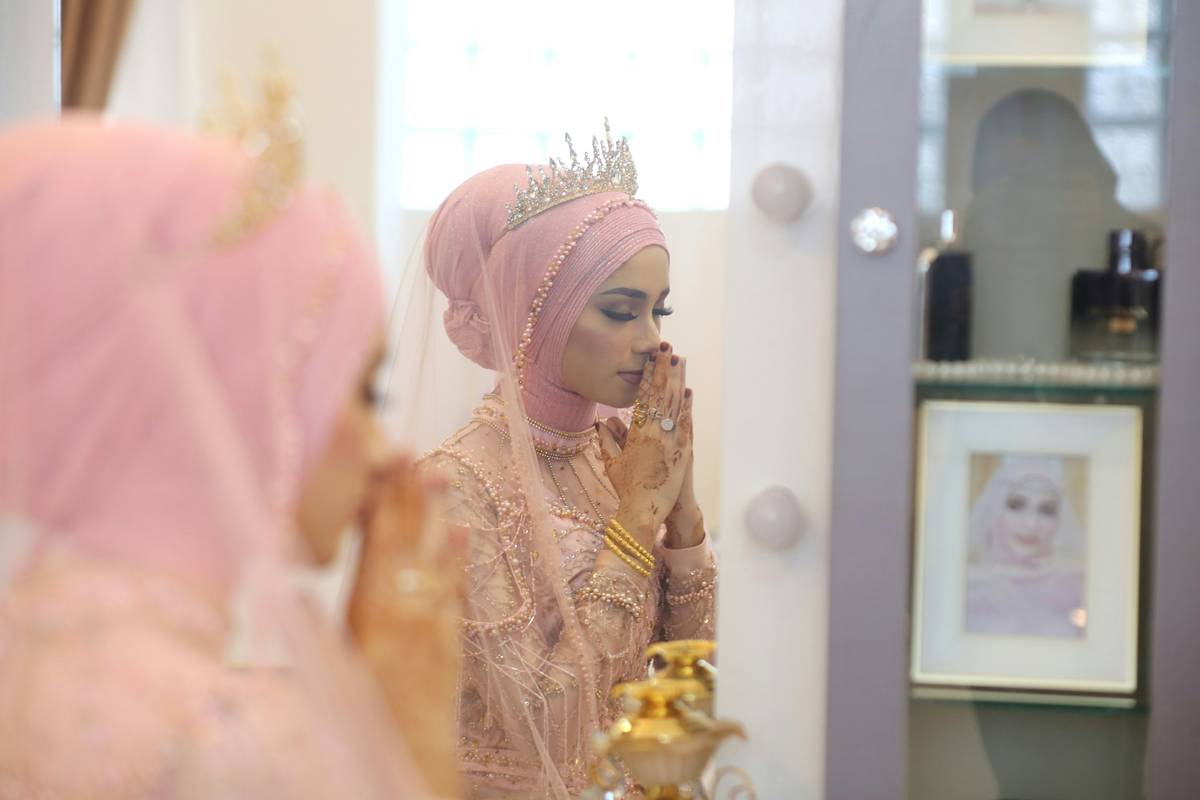
I learned this the hard way. Early in my career, I formulated a “natural” mascara using carmine for rich pigment—only to discover it’s derived from cochineal insects. My Muslim clients couldn’t use it, and I felt gutted. That failure taught me: ethical beauty requires transparency at every step.
How to Identify Truly Halal Makeup (Without Losing Your Mind)
Not all “halal” labels are created equal. Follow these steps to verify authenticity:
Step 1: Check for Reputable Certification
Look for seals from globally recognized bodies:
- JAKIM (Malaysia)—the gold standard
- MUI (Indonesia)
- HFA (Halal Food Authority, UK/USA)
- Halal Monitoring Committee (HMC) — widely accepted in North America
Avoid vague terms like “spiritually pure” or “Muslim-friendly.” If there’s no certification number or QR code linking to a database, be skeptical.
Step 2: Decode the Ingredient List
Watch for these red flags:
- Ethanol or denatured alcohol (unless it’s synthetic and used in trace amounts for preservation—some scholars permit this)
- Glycerin—must specify “vegetable-based” or “palm-derived.” If unspecified, assume animal origin.
- Carmine, cochineal extract, or E120—all insect-based colorants.
- Lanolin—often from sheep wool; only halal if sourced humanely and processed separately.
Step 3: Verify Manufacturing Practices
Email the brand: “Is your production line dedicated to halal products, or shared with non-halal items?” Legit halal brands will provide facility audit reports or cleaning protocols.
Optimist You: “Just buy halal-labeled stuff!”
Grumpy You: “Yeah, right—like that ‘halal’ lipstick I bought that listed ‘fragrance’ (code for who-knows-what). Pass.”
5 Best Practices for Using Halal Makeup Like a Pro
- Double-Cleanse with Halal Micellar Water
Use an alcohol-free, certified halal micellar water (like Safi Qirana) to remove makeup without stripping your skin’s barrier. - Layer with Halal Primers
Brands like Amara Cosmetics offer silicone-free primers that extend wear while keeping pores breathable—no hidden dimethicone from non-halal sources. - Avoid “Vegan-Washing” Traps
Vegan ≠ halal. Many vegan products use ethanol as a solvent. Always cross-check both labels. - Test New Products During Non-Fasting Hours
If you’re unsure about oral absorption (e.g., lipsticks), test during ifṭār to avoid accidental ingestion while fasting. - Support Transparent Brands
Prioritize companies that publish full ingredient glossaries and sourcing maps (e.g., PHB Ethical’s website breaks down every plant extract’s origin).
❌ Terrible Tip Alert!
“Just skip certification—it’s too expensive for small brands.” Nope. Certification protects you. Without it, you’re trusting marketing over science. Don’t gamble with your deen or dermis.
Real-World Examples: When Halal Certification Changed Everything
Case Study: Iba Halal Care (India)
When Iba launched India’s first halal-certified color cosmetics line in 2014, skeptics said “halal makeup won’t last.” Fast forward: they now supply over 12,000 retail stores and export to 15 countries. Their breakthrough? Using plant-based squalane instead of shark liver oil (common in luxury foundations)—proving ethics and efficacy aren’t mutually exclusive.
Personal Win: My Client Fatima’s Glow-Up
Fatima struggled with perioral dermatitis from alcohol-heavy concealers. After switching to PHB Ethical’s halal mineral concealer (free from bismuth oxychloride and ethanol), her inflammation cleared in 3 weeks. Her takeaway? “Halal doesn’t mean compromise—it means care.”
Halal Makeup FAQs—Answered Honestly
Is halal makeup only for Muslims?
No! Anyone seeking clean, ethically made cosmetics benefits from halal standards—they often exceed “clean beauty” norms by banning more questionable ingredients.
Can halal makeup contain alcohol?
It depends. Synthetic ethanol (not from fermentation) in minimal preservative amounts (<5%) is permitted by many scholars (per JAKIM guidelines). But always check certification details.
Are halal makeup products less pigmented or long-wearing?
Not anymore. Brands like Amara use iron oxides and mica for bold color payoff—without carmine or lakes. Their liquid lipsticks last 8+ hours, tested rigorously in Dubai’s humidity (trust me, I wore one through a 45°C ifṭār gathering).
Where can I buy certified halal makeup?
Trusted retailers: Safi, Iba Halal Care, PHB Ethical, and Amara Cosmetics. Avoid third-party marketplaces unless the seller is the brand itself.
Conclusion
Halal makeup isn’t a niche trend—it’s a return to integrity in beauty. By choosing certified products, you protect your health, uphold your values, and support innovation that refuses to cut corners. Remember: true halal beauty blends taqwa (God-consciousness) with top-tier performance. Start small—swap one product, verify one label—and build a routine that honors both your skin and soul.
Like a 2000s MSN status: “Halal makeup loading… 100% purity achieved 💄✨”