Table of Contents
Introduction
Have you ever spent an hour in the kitchen only to end up with a bland, uninspired meal? Trust me, I’ve been there. But what if I told you that mastering asian dinner recipes could be your ticket to a world of flavor and simplicity?
In this post, we’ll dive into the rich and diverse world of Asian cuisine, explore why it’s so popular, and provide you with a step-by-step guide to creating delicious and authentic Asian dinners. You’ll learn how to choose the right ingredients, master essential techniques, and discover some top tips to make your dishes shine.
Key Takeaways
- Understand the cultural significance of various Asian cuisines.
- Learn step-by-step instructions for preparing classic Asian dishes.
- Get valuable tips and best practices to enhance your cooking skills.
- Explore real-world examples and case studies of successful home cooks.
- Find answers to frequently asked questions about Asian dinner recipes.
The Importance of Asian Dinner Recipes
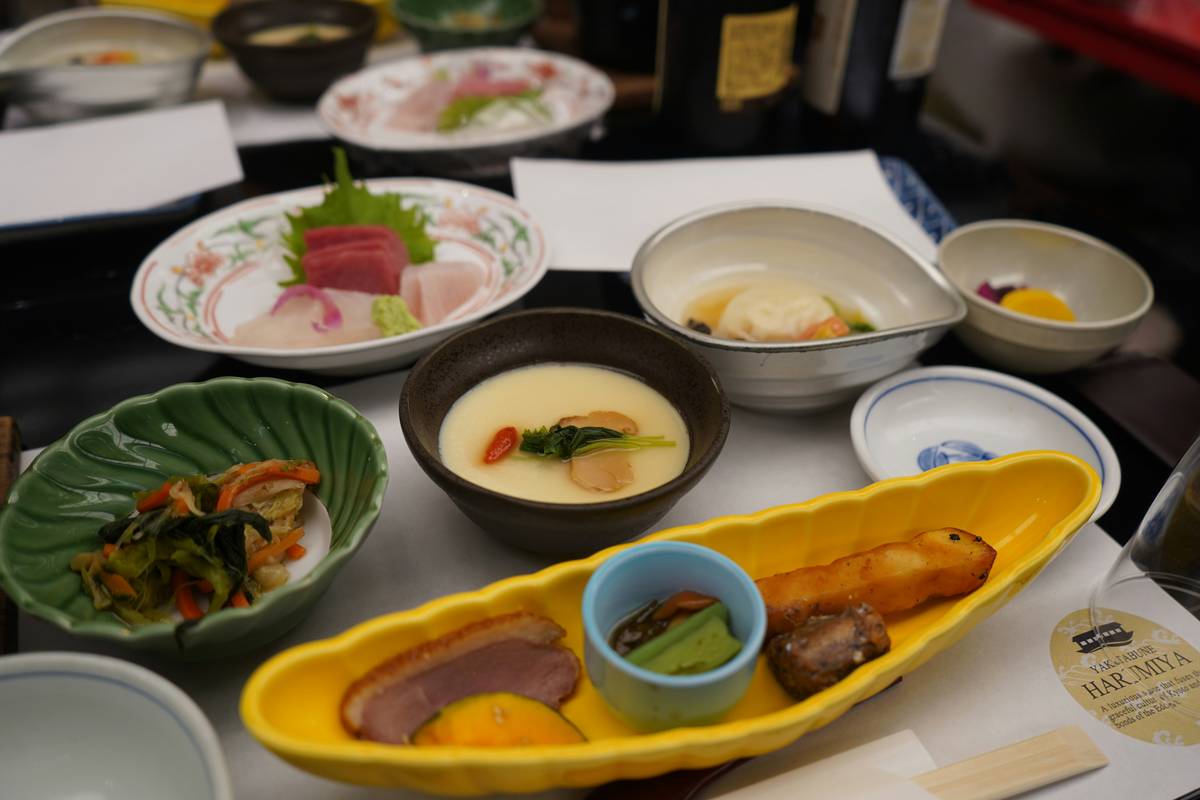
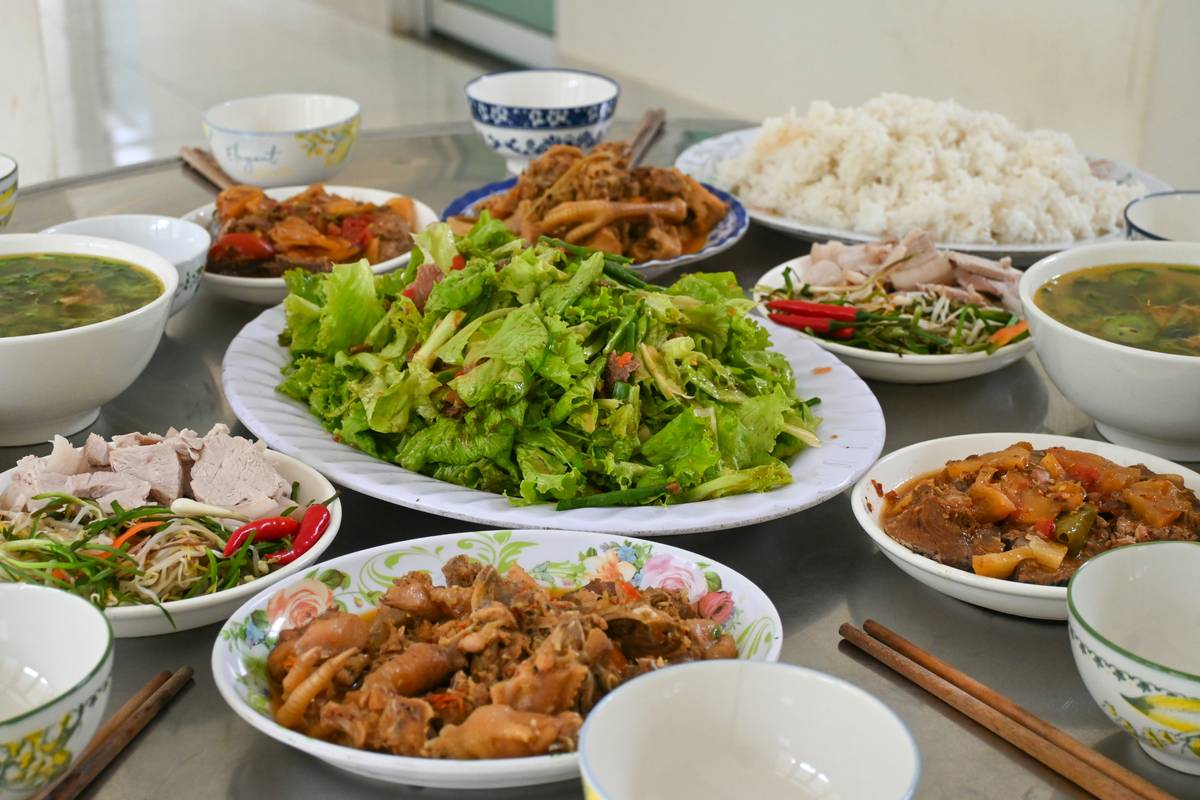
Asian cuisine is a treasure trove of flavors, textures, and aromas. From the delicate balance of sweet and savory in Thai curries to the bold and spicy kick of Korean BBQ, each region offers a unique taste experience. But why should you care about mastering asian dinner recipes?
Firstly, Asian cuisine is incredibly versatile. Whether you’re looking for a quick weeknight meal or a show-stopping feast for guests, there’s an Asian dish for every occasion. Secondly, many Asian recipes are health-conscious, incorporating fresh vegetables, lean proteins, and heart-healthy oils. Finally, learning to cook Asian food can be a fun and educational journey, introducing you to new ingredients and techniques.
Step-by-Step Guide to Perfect Asian Dinners
Let’s break down the process of creating perfect Asian dinners into manageable steps. Follow these instructions, and you’ll be a pro in no time.
Step 1: Choose Your Recipe
Start by selecting a recipe that excites you. Whether it’s a comforting bowl of ramen or a vibrant Vietnamese spring roll, choose something that speaks to your taste buds.
Step 2: Gather Your Ingredients
Make a list of all the ingredients you need and head to the store. Don’t skimp on quality—fresh, high-quality ingredients make all the difference.
Step 3: Prepare Your Ingredients
Wash, chop, and marinate your ingredients as needed. This step is crucial for achieving the right flavors and textures in your dish.
Step 4: Cook with Care
Follow the recipe closely, paying attention to timing and technique. Asian cooking often involves quick, high-heat methods, so stay focused and keep an eye on your dishes.
Step 5: Garnish and Serve
A little garnish goes a long way in elevating the visual appeal of your dish. Fresh herbs, sesame seeds, or a drizzle of sauce can make your plate look like it came from a five-star restaurant.

Tips and Best Practices for Asian Cooking
To help you perfect your Asian dinner recipes, here are some top tips and best practices:
- Invest in Quality Tools: A good wok, a sharp knife, and a reliable rice cooker are essential for Asian cooking.
- Use Fresh Herbs: Fresh cilantro, basil, and chilies can add a burst of flavor to your dishes.
- Balance Flavors: Asian cuisine is all about balance. Experiment with salty, sweet, sour, and umami flavors to create harmony in your dishes.
- Don’t Overcook: Overcooking can ruin the texture and flavor of your ingredients. Keep things crisp and tender by following the recipe’s timing.
- Experiment with Spices: Spices like turmeric, cumin, and coriander can add depth and complexity to your dishes. Don’t be afraid to experiment!
Real-World Examples and Case Studies
Let’s take a look at some real-world success stories and case studies of people who have mastered asian dinner recipes.
Case Study 1: The Home Cook Who Became a Local Sensation
Samantha, a busy professional, decided to start cooking Asian meals at home to save time and money. Her love for Korean BBQ led her to perfect her bulgogi recipe, which quickly became a hit among her friends and neighbors. Today, she runs a small catering business specializing in authentic Korean dishes.
Case Study 2: The Food Blogger Who Found Her Niche
Jessica, a food blogger, struggled to find her niche until she started experimenting with Japanese cuisine. Her detailed posts on making sushi and ramen gained a loyal following, and her blog now ranks among the top food blogs in her category. She credits her success to her passion for Asian flavors and her commitment to quality ingredients.
FAQs About Asian Dinner Recipes
- What are some common ingredients in Asian cuisine?
- Common ingredients include soy sauce, fish sauce, rice vinegar, sesame oil, ginger, garlic, and various types of noodles and rice.
- How can I make my Asian sauces more authentic?
- Use traditional ingredients and follow authentic recipes. For example, to make a great teriyaki sauce, use soy sauce, mirin, and sake instead of bottled versions.
- Are there any substitutes for hard-to-find ingredients?
- Yes, many ingredients have good substitutes. For example, if you can’t find kaffir lime leaves, you can use lime zest and juice.
- How can I make my Asian dishes healthier?
- Use lean proteins, plenty of vegetables, and healthy oils like olive or sesame oil. Reduce the amount of salt and sugar in your recipes, and use low-sodium versions of soy and fish sauce.
Conclusion
Mastering asian dinner recipes is a journey that combines passion, patience, and practice. By choosing the right recipes, gathering quality ingredients, and following the right techniques, you can create delicious and authentic Asian dishes that will impress your family and friends.
Remember, the key is to have fun and enjoy the process. So, go ahead and start exploring the rich and diverse world of Asian cuisine. Your taste buds (and your loved ones) will thank you for it.
Like a Tamagotchi, your culinary skills need daily care. Happy cooking!