Updated on [Date]
Image: A delectable beef stir-fry with colorful vegetables, steaming hot. (Alt Text: “Sizzling beef stir-fry with veggies”)
Table of Contents
- Why Beef for Dinner?
- Step-by-Step Guide to Perfect Beef Dinners
- Tips and Best Practices for Beef Recipes
- Real-Life Examples and Case Studies
- FAQs About Beef Recipes for Dinner
Key Takeaways
- Learn why beef is a versatile and delicious choice for dinner.
- Get step-by-step instructions for making perfect beef dinners.
- Discover tips and best practices for beef recipes that wow your taste buds.
- See real-life examples and case studies of successful beef recipes.
- Find answers to common FAQs about beef recipes for dinner.
Why Beef for Dinner? Is it Just Another Meat in the Pan?
Ever found yourself staring at a blank slate in the kitchen, wondering what to cook for dinner? We’ve all been there. But what if I told you that beef could be your new go-to savior? Yes, you heard right. Beef is not just another meat in the pan; it’s a powerhouse of flavor and versatility. Whether you’re looking for a quick weeknight meal or a luxurious weekend feast, beef has got you covered.
But why, you ask? Well, let’s dive into the nitty-gritty.
A Confessional Fail: I once tried to make a beef stroganoff without any actual beef. Let’s just say, it was a disaster. My family still talks about it—RIP engagement.
Beef is rich in protein, iron, and B vitamins, making it a nutritious choice. It’s also incredibly versatile, lending itself to a wide range of cuisines and cooking methods. From a simple grilled steak to a slow-cooked pot roast, the possibilities are endless. And let’s not forget, beef is a crowd-pleaser. It’s hard to find someone who doesn’t love a good beef dish.
Step-by-Step Guide to Perfect Beef Dinners
Now that we’ve established why beef is a great choice for dinner, let’s get into the nitty-gritty of how to make perfect beef dishes. Follow these steps, and you’ll be a beef maestro in no time.
Step 2.1: Choosing Your Cut
*Optimist You:* “Pick the right cut for your recipe!”
*Grumpy You:* “Ugh, fine—but only if coffee’s involved.”
Not all cuts of beef are created equal. For a quick stir-fry, go for tender cuts like sirloin or flank. For slow-cooked stews, tougher cuts like chuck or brisket are ideal. Understanding your cuts will make a world of difference in the final result.
Step 2.2: Marinating and Seasoning
*Optimist You:* “Marinate for better flavor!”
*Grumpy You:* “Sure, as long as I can watch TV while I wait.”
Marinating beef before cooking can enhance its flavor and tenderness. Use a marinade with acids like vinegar or citrus juice, along with herbs and spices. Even a simple salt and pepper rub can work wonders.
Step 2.3: Cooking Techniques
*Optimist You:* “Master different cooking techniques!”
*Grumpy You:* “Fine, but I want to see immediate results.”
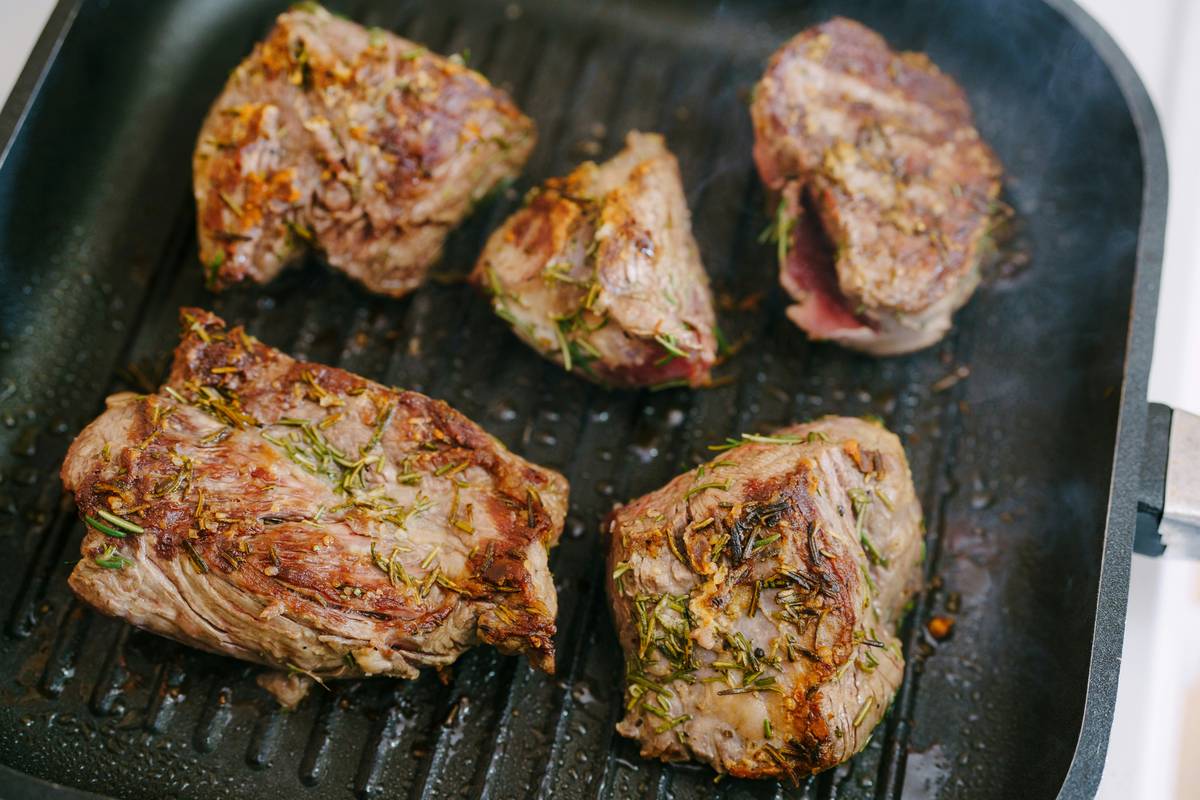
Whether you’re grilling, sautéing, or slow-cooking, each method brings out unique flavors and textures. Grilling gives a smoky, charred flavor, while slow-cooking makes the meat fall-apart tender. Experiment and find what works best for your recipe.
Tips and Best Practices for Beef Recipes
Now that you know the basics, here are some tips and best practices to take your beef recipes to the next level.
- Let the Meat Rest: After cooking, let the beef rest for a few minutes. This allows the juices to redistribute, making the meat more tender and flavorful.
- Cut Against the Grain: When slicing, cut against the grain. This shortens the muscle fibers, making the meat easier to chew.
- Don’t Overcook: Overcooking beef can make it tough and dry. Use a meat thermometer to ensure it’s cooked to the right temperature.
- Use Fresh Ingredients: The quality of your ingredients matters. Use fresh herbs, high-quality cuts, and fresh vegetables for the best results.
Terrible Tip Disclaimer: Don’t believe anyone who tells you to microwave your beef. Unless you’re making a sad, rubbery mess, avoid this at all costs. Trust me, it’s not worth it.
Real-Life Examples and Case Studies
Let’s take a look at some real-life success stories and case studies of people who have mastered beef recipes for dinner.
Bobby’s Beef Stir-Fry
Bobby, a busy IT professional, needed a quick and easy dinner solution. He started making beef stir-frys, using a variety of vegetables and a simple soy sauce marinade. His family loved it, and he even started experimenting with different spice blends. Now, Bobby’s stir-fries are a hit at his dinner table.
Jane’s Slow-Cooked Pot Roast
Jane, a working mom, wanted to make Sunday dinners special. She began making slow-cooked pot roasts, using a chuck roast and a mix of root vegetables. Her family raved about the fall-apart tender meat and the rich, savory broth. Jane’s pot roasts have become a beloved tradition in her home.
FAQs About Beef Recipes for Dinner
What are the best cuts of beef for stir-fry?
The best cuts for stir-fry are tender ones like sirloin, flank, or tenderloin. These cuts cook quickly and stay tender.
How long should I marinate beef?
For a quick marinade, 30 minutes to 1 hour is sufficient. For deeper flavor, marinate for 2-4 hours, or even overnight.
What temperature should beef be cooked to?
The internal temperature for beef varies based on the cut. For medium-rare, aim for 135°F (57°C). For well-done, 160°F (71°C) is recommended.
Can I use frozen beef for stir-fry?
It’s not ideal, but you can. Thaw the beef completely and pat it dry to remove excess moisture. This will help achieve a better sear.
Conclusion
Beef recipes for dinner are a fantastic way to add variety and flavor to your meals. By choosing the right cut, marinating properly, and using the right cooking techniques, you can create delicious and satisfying beef dishes. Whether you’re a beginner or a seasoned chef, these tips and best practices will help you master the art of beef cooking.
So, the next time you’re in the kitchen, give beef a chance. Your taste buds—and your family—will thank you.
Like a Tamagotchi, your beef recipes need daily care. Keep experimenting, keep learning, and keep enjoying the delicious journey!