### Introduction
Hook: Ever spent hours in the kitchen only to end up with a mediocre beef dinner? Yeah, we’ve all been there. But what if I told you that with a few simple tweaks, you could whip up restaurant-quality beef dinner recipes at home?
Purpose: In this post, we’ll explore the world of beef dinner recipes, from classic favorites to innovative twists. You’ll learn how to choose the right cuts, master cooking techniques, and even add a healthy flair to your meals.
Preview: You’ll learn how to select the perfect cut of beef, step-by-step cooking instructions, best practices for flavoring and seasoning, and real-world examples to inspire your next culinary adventure. So, grab your apron and let’s get started!
Table of Contents
- Why Beef Dinner Recipes Matter
- Step-by-Step Guide to Perfect Beef Dinners
- Tips and Best Practices for Flawless Beef Dishes
- Real-World Examples and Success Stories
- FAQs: Common Questions About Beef Dinner Recipes
Key Takeaways
- Choose the right cut of beef for your recipe to ensure tenderness and flavor.
- Master basic cooking techniques like grilling, roasting, and braising.
- Add a variety of seasonings and herbs to enhance the natural flavors of beef.
- Explore innovative and healthy twists on classic beef dinner recipes.
- Learn from real-world examples and success stories to inspire your own creations.
Why Beef Dinner Recipes Matter
Beef is a versatile and delicious protein, but it can be challenging to get it just right. From choosing the perfect cut to mastering the cooking technique, there are many factors that can make or break your beef dinner. And let’s face it, a tough, overcooked piece of meat is a real mood killer.
Step-by-Step Guide to Perfect Beef Dinners
Step 1: Choosing the Right Cut of Beef
Not all cuts of beef are created equal. Here’s a quick guide to help you choose the right cut for your recipe:
- Ribeye: Rich and flavorful, perfect for grilling and pan-searing.
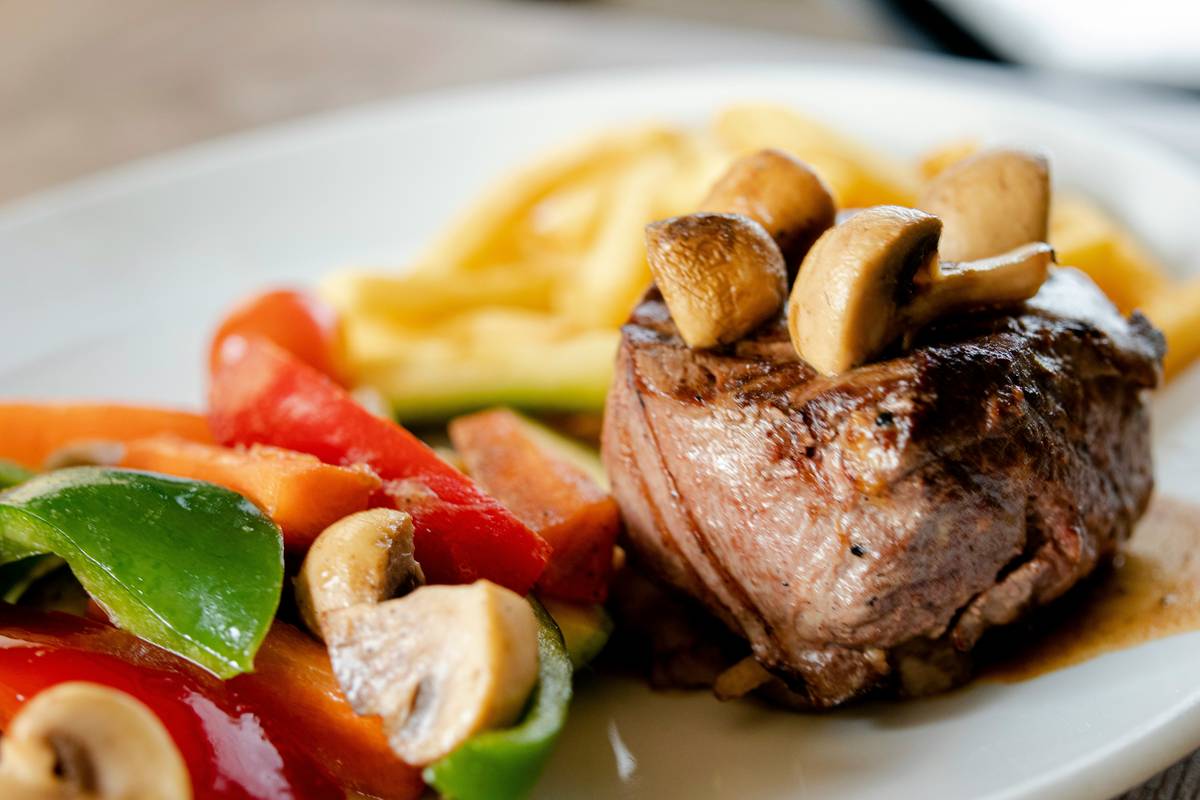
- Tenderloin (Filet Mignon): Tender and lean, ideal for special occasions.
- Chuck Roast: Great for slow-cooking and stews, resulting in a tender and flavorful dish.
- Sirloin: Versatile and affordable, suitable for grilling, roasting, and stir-fries.
Step 2: Mastering Basic Cooking Techniques
Once you’ve chosen the right cut, it’s time to master the cooking techniques:
- Grilling: Perfect for steaks and burgers, grill to your desired level of doneness.
- Roasting: Ideal for larger cuts like roasts, roast in the oven for a tender and juicy result.
- Braising: Slow-cook tougher cuts like chuck roast in liquid for a rich and flavorful meal.
- Stir-Frying: Quick and easy, stir-fry thin strips of beef for a fast and tasty dish.
Tips and Best Practices for Flawless Beef Dishes
To ensure your beef dinner recipes turn out perfectly, follow these tips:
- Season Generously: Use salt, pepper, and your favorite herbs and spices to enhance the flavor.
- Let It Rest: Allow the beef to rest for a few minutes after cooking to lock in the juices.
- Use a Meat Thermometer: Ensure your beef is cooked to the perfect temperature for safety and taste.
- Experiment with Marinades: Marinate your beef for added flavor and tenderness.
Optimist You: “Follow these tips for a perfect beef dinner!”
Grumpy You: “Ugh, fine—but only if you promise to clean up the kitchen afterward.”
Real-World Examples and Success Stories
Here are a few real-world examples of successful beef dinner recipes to inspire you:
- Case Study 1: John, a busy professional, perfected his ribeye steak by using a cast-iron skillet and a rosemary-garlic butter. The result? A restaurant-quality meal in under 30 minutes.
- Case Study 2: Sarah, a health enthusiast, created a healthy beef stir-fry with a mix of colorful vegetables and a light soy sauce. Her family loved it, and it became a regular in their weekly meal rotation.
FAQs: Common Questions About Beef Dinner Recipes
Q: What is the best cut of beef for a beginner?
A: For beginners, a sirloin is a great choice. It’s versatile, affordable, and relatively forgiving to cook.
Q: How do I know when my beef is done?
A: Use a meat thermometer to check the internal temperature. For medium-rare, aim for 135°F (57°C); for well-done, 160°F (71°C).
Q: Can I make beef dinner recipes healthier?
A: Absolutely! Choose leaner cuts, use heart-healthy oils, and add plenty of vegetables and whole grains to your recipes.
Q: What are some common mistakes to avoid?
A: One common mistake is not letting the beef rest after cooking, which can cause the juices to escape, making the meat dry. Also, avoid overcooking, as it can toughen the meat.
Conclusion
Creating delicious and healthy beef dinner recipes doesn’t have to be a daunting task. By choosing the right cut, mastering basic cooking techniques, and following a few simple tips, you can whip up amazing beef dishes that will impress your family and friends. Remember, practice makes perfect, so keep experimenting and refining your skills.
Like a Tamagotchi, your beef dinner skills need daily care—keep practicing, and you’ll be a star in no time.